
Going to the office should be a reassuring experience for your employees. Yet as fall and winter approach, viruses and bacteria circulate more actively in Quebec workplaces. Door handles, shared phones and kitchen faucets are touched by dozens of hands every day.
In a professional environment, cleanliness plays a vital role that goes far beyond appearances. It is essential to maintaining employee health, well-being and productivity during the seasonal infection period. MOM Cleaning helps you understand how germs spread in the workplace and implements a structured, thorough cleaning program tailored to the challenges of the colder months.
An office can look clean without being properly maintained
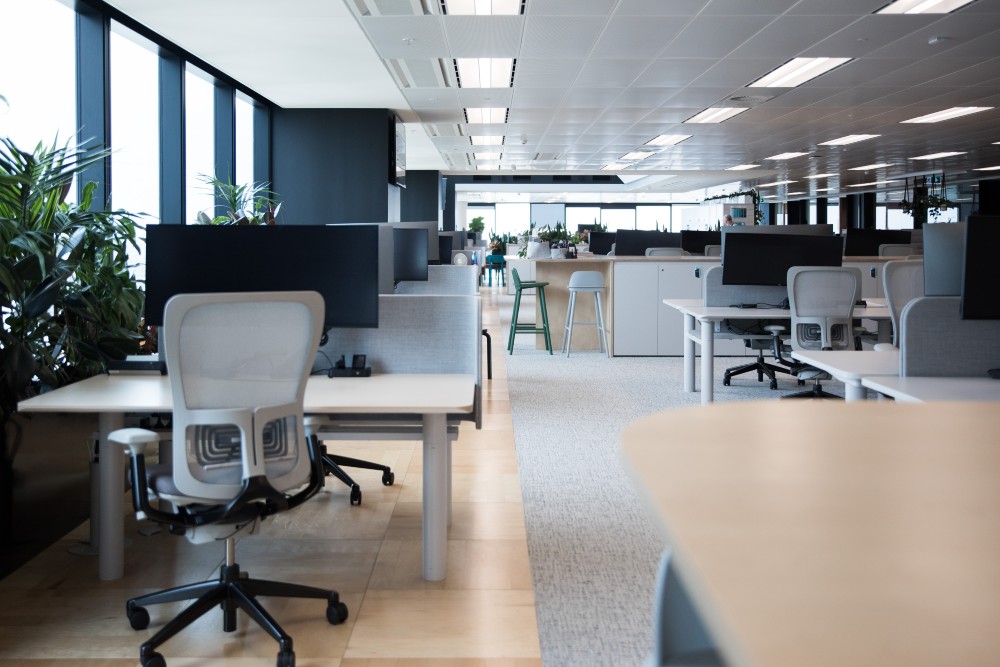
A spotless table isn’t necessarily free of microorganisms. As fall and winter approach, thorough cleaning becomes increasingly important in helping limit the spread of germs. MOM uses proven cleaning methods tailored to how your commercial spaces are occupied and used.
High-touch surfaces and shared equipment
Elevator buttons, door handles, light switches and telephones are touched repeatedly throughout the day. According to the Public Health Agency of Canada, infections can spread when someone touches a contaminated object and then touches their eyes, nose or mouth before washing their hands.
In shared workspaces, working with a professional partner like MOM Cleaning ensures a clear, systematic approach to safely cleaning and disinfecting shared equipment while following manufacturers’ instructions.
Kitchens, meeting rooms and washrooms
These spaces bring together people who may not work alongside one another every day. They also serve different purposes, including meal preparation, meetings, handwashing and visitor traffic.
MOM Cleaning’s experts develop customized programs that address every critical area. Refrigerator handles, faucets and meeting tables receive thorough attention to help prevent gaps in your workplace hygiene practices.
Cleaning and disinfection: Two complementary measures
Cleaning and disinfection serve different purposes. The appropriate approach depends on the surfaces, activities and specific needs of each environment.
Remove dirt before disinfecting when necessary
Cleaning physically removes dirt and some microorganisms. Disinfection aims to inactivate or eliminate specific germs using an appropriate product. The Public Health Agency of Canada recommends cleaning surfaces before disinfecting them whenever possible.
The goal isn’t to use more products or disinfect every object. It’s to identify the right cleaning and disinfection procedures, particularly for frequently touched surfaces and areas requiring special attention.
Follow product instructions carefully
A quick wipe isn’t always enough to achieve the desired results. Product dilution, contact time and compatibility with different materials must follow the manufacturer’s instructions. MOM Cleaning also takes precautions to prevent dirt and contaminants from being transferred between areas. For example, cleaning equipment used in washrooms should not be used on kitchen surfaces.
Workplace infection prevention requires multiple measures
During fall and winter respiratory virus seasons, regular surface cleaning is an important part of workplace hygiene. MOM Cleaning integrates its services into a broader approach to protecting employee health.
Adapt cleaning schedules to actual workplace traffic
An office occupied five days a week has different cleaning needs than a space used occasionally. In hybrid workplaces, busier office days may justify adjustments to the cleaning schedule. MOM Cleaning helps you adapt cleaning frequency and procedures during periods of high foot traffic or increased seasonal infections.
To establish an effective cleaning program, start by identifying high-traffic areas, shared facilities and tasks already performed by employees. This information allows our team to provide a free quote that closely reflects your actual needs.
Combine cleaning, hand hygiene and ventilation
Respiratory illnesses can spread between people, particularly through respiratory particles in the air. Surface cleaning alone cannot address every route of transmission. Proper hand hygiene and adequate ventilation complement regular cleaning practices. Carpet cleaning and ventilation duct cleaning can also address specific building maintenance needs.
Establish a structured office cleaning program with MOM Cleaning
At MOM Cleaning, every surface requires a cleaning method suited to its use. Our office cleaning services can cover workstations, common areas, washrooms and floors, depending on your service agreement. Additional disinfection services can also be assessed to complement regular cleaning.
By partnering with MOM Cleaning at the beginning of the colder season, you can provide your employees with a healthier, safer workplace through a clear, thorough and personalized hygiene protocol.
Request a free quote from MOM Cleaning for a commercial cleaning program tailored to your office and its occupancy levels.
Frequently asked questions
Which office surfaces should be cleaned first?
Frequently touched surfaces deserve special attention, including door handles, light switches, faucets, telephones and shared equipment. Your cleaning program should also account for washrooms, kitchens and actual workplace traffic.
Should every office be disinfected daily?
There is no single answer that applies to every surface. Cleaning and disinfection frequency depends on how spaces are used, the type of workplace and applicable recommendations. A structured cleaning program distinguishes between routine cleaning and disinfection procedures when they are necessary.
Is cleaning enough to prevent infections in the workplace?
No. Cleaning helps reduce risks associated with contaminated surfaces, but respiratory infections can also spread between people and through the air. Proper hand hygiene and adequate ventilation are important complementary measures.
Does ventilation duct cleaning replace proper ventilation?
No. Ventilation duct cleaning and the proper operation of a ventilation system are two separate considerations. Maintenance needs should be assessed based on the system’s condition and applicable recommendations.