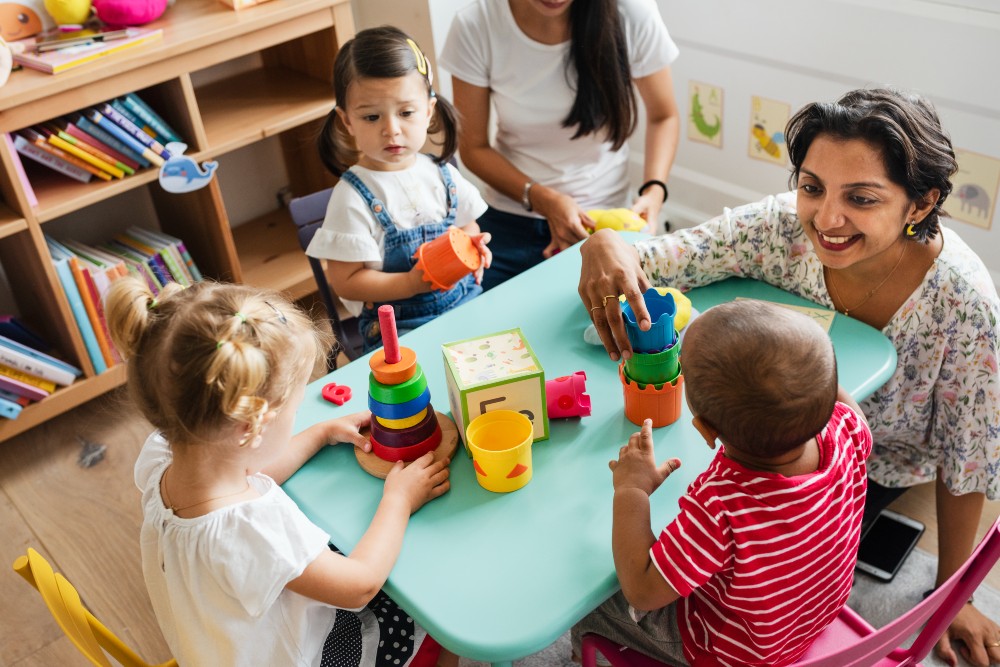
Shared toys. Surfaces touched hundreds of times a day. Spaces where children, educators, and staff interact continuously.
In schools and daycares, cleaning services are about more than appearance. They are a direct responsibility for the health and well-being of everyone in the building.
Young children are particularly exposed to germs due to their constant interaction with surfaces and other users. A well-designed cleaning routine helps limit the spread of contaminants while promoting a healthier environment for everyone.
However, effective cleaning is not solely about how often it is performed. The methods used and the products selected must also take into account the daily presence of children and the specific requirements of educational environments.
Why is hygiene essential in schools and daycares?
Environments that encourage the spread of germs
Schools and daycares bring together a large number of people in shared spaces every day. Classrooms, play areas, locker rooms, and dining areas are used continuously, increasing the risk of bacteria and virus transmission.
During certain times of the year, particularly throughout cold and flu season, these environments can be especially vulnerable to the spread of illness.
Shared surfaces throughout the day
Door handles, light switches, desks, tables, stair railings, and toys are among the most frequently touched surfaces.
Without regular cleaning, these areas can quickly accumulate contaminants. This is why high-touch points require special attention in any cleaning program.
A direct impact on the health of children and staff
A well-maintained environment helps reduce the risk of spreading common illnesses and contributes to a more comfortable setting for everyone.
Clean facilities also influence the perception of parents, staff members and visitors. Clean, well-maintained spaces inspire confidence and reflect the professionalism of the organization.
The importance of maintaining good indoor air quality
Indoor air quality is often an overlooked issue in buildings that welcome children. Dust, allergens and airborne particles can accumulate over time and affect users comfort.
In daycares, toys, activity mats, and dining areas also require special attention because of their frequent use by young children.
Regular deep cleaning helps limit the presence of these irritants and maintain a healthier, more comfortable environment on a daily basis.
Best practices for cleaning educational facilities
Pay special attention to frequently touched surfaces
High-touch surfaces should be cleaned regularly to reduce the risk of contamination. Door handles, desks, counters, shared equipment, and washroom facilities generally require more frequent cleaning than other areas of the building.
In environments where contact between occupants is frequent, a disinfection service can complement regular cleaning efforts by helping reduce contaminants on the most heavily used surfaces.
In daycares, toys, changing tables, dining areas, and rest areas also require close attention to help limit the spread of germs among children.
Adjust cleaning frequency to the building’s needs
Every facility has its own needs. A daycare serving young children will not have the same needs as a high school or a training centre.
The frequency of cleaning should take into account occupancy levels, building usage, and periods of the year when the risk of germ transmission is higher.
Washrooms, dining areas, and common spaces often require increased attention because of their intensive use.
Implement a preventive approach throughout the year
Cleaning services are most effective when they are part of a preventive strategy. Careful planning helps maintain cleanliness consistently rather than only responding when issues arise.
A preventive approach also helps preserve building assets and create a healthier environment for children, staff and visitors. It naturally fits within a professional cleaning strategy tailored to the needs of schools and daycares.
Why work with a specialized team for school and daycare cleaning?
Protocols tailored to each environment
The needs of a school or daycare differ from those of a traditional office building. Cleaning methods must take into account the presence of children, the surfaces used daily, and the hygiene requirements specific to these environments.
Greater consistency in results
Maintaining a clean environment depends on consistent service. A specialized team follows established procedures and ensures thorough monitoring of all areas of the building, helping maintain a high level of cleanliness throughout the year.
A healthier environment for everyone
Professional cleaning services contribute to creating a more pleasant environment for children, educators, teachers, and administrative staff. Beyond appearance, it is an approach that directly supports comfort, health, and the smooth operation of daily activities.
A healthy environment is built every day
Schools and daycares have unique cleaning requirements. High occupancy levels, constant surface sharing, and the presence of children require rigorous and well-adapted cleaning practices.
By choosing safe products, paying close attention to high-touch areas, and implementing a preventive approach, facilities can provide a healthier and safer environment for all occupants.
Cleaning services tailored to schools and daycares do more than maintain cleanliness. They also contribute to the well-being of children, staff and visitors every day.
At MOM Cleaning, we support schools and daycares with services tailored to their specific needs in order to maintain clean, safe, and well-maintained facilities throughout the year.
Provide children, educators, and staff with a clean, healthy, and safe environment every day.
To implement a cleaning program tailored to the needs of your school or daycare, contact us to receive a personalized assessment of your needs.